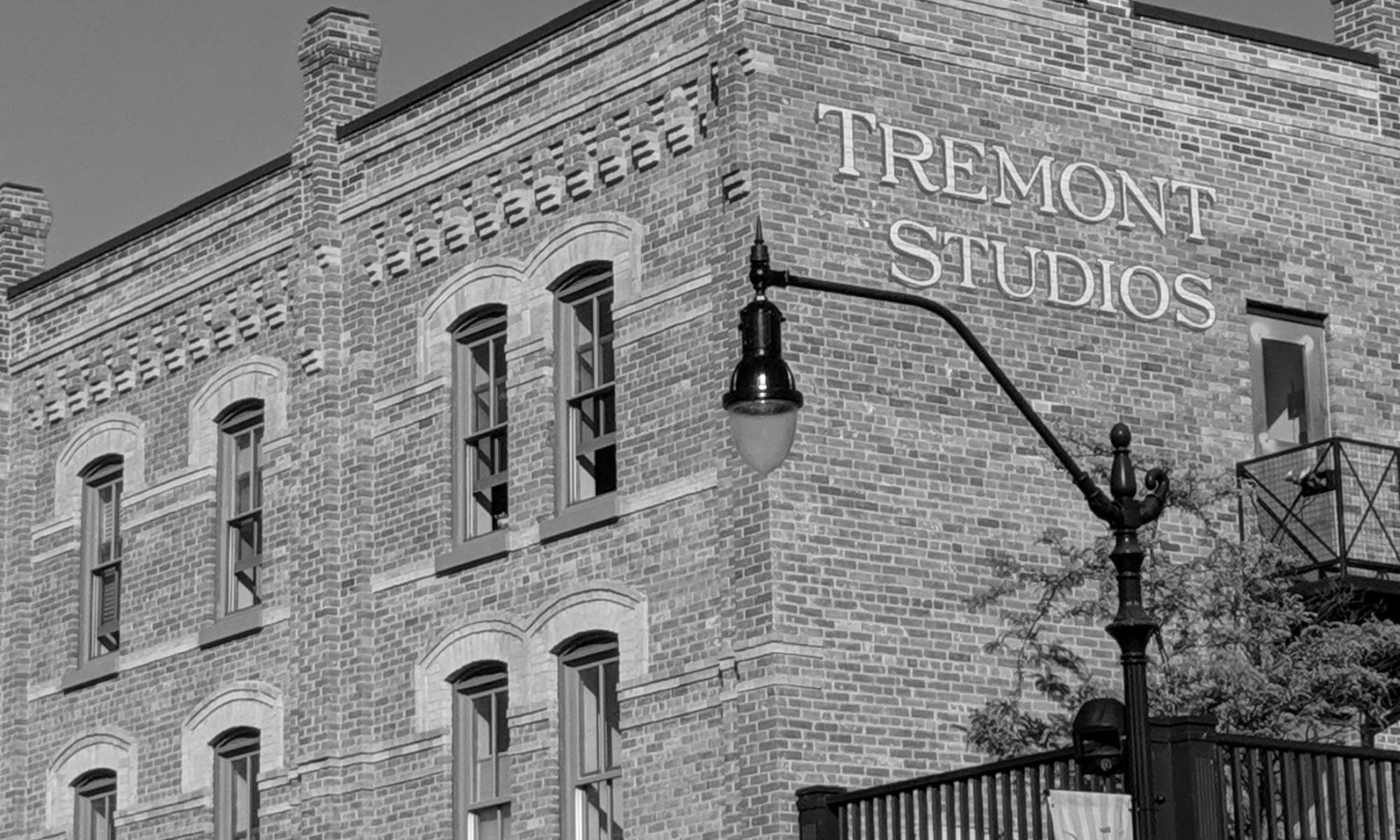
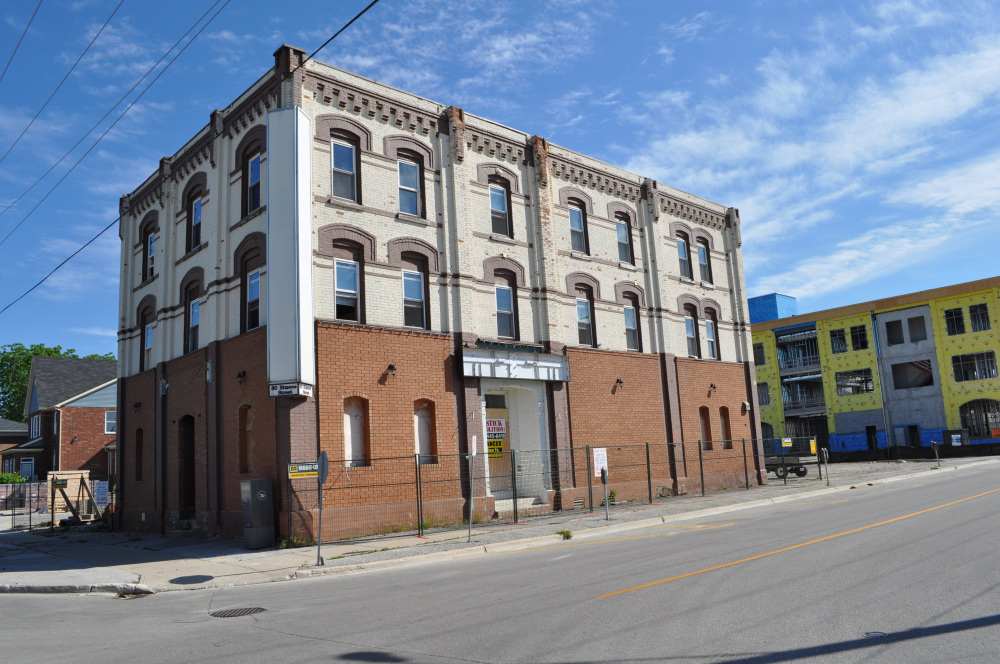
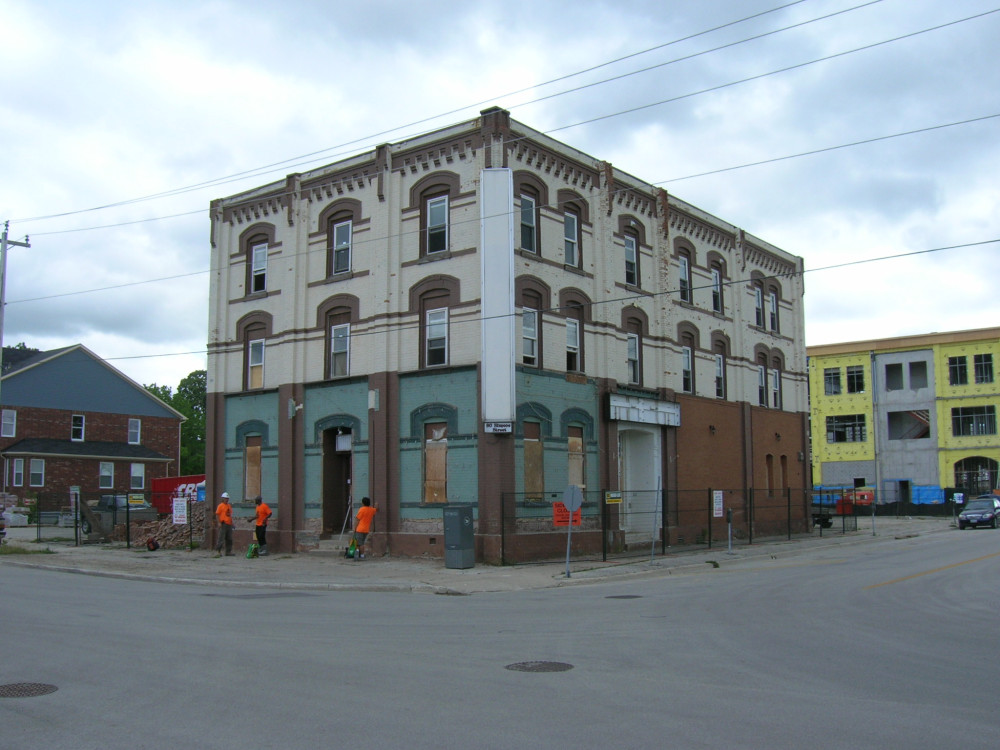
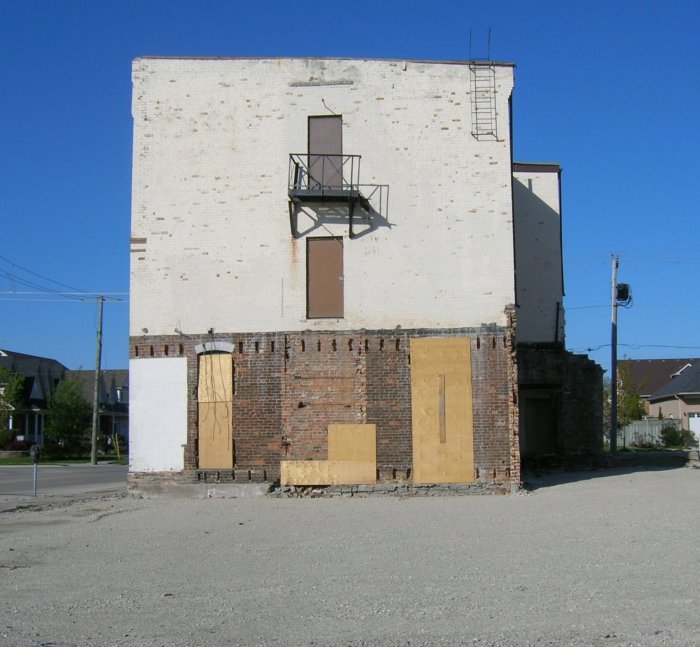
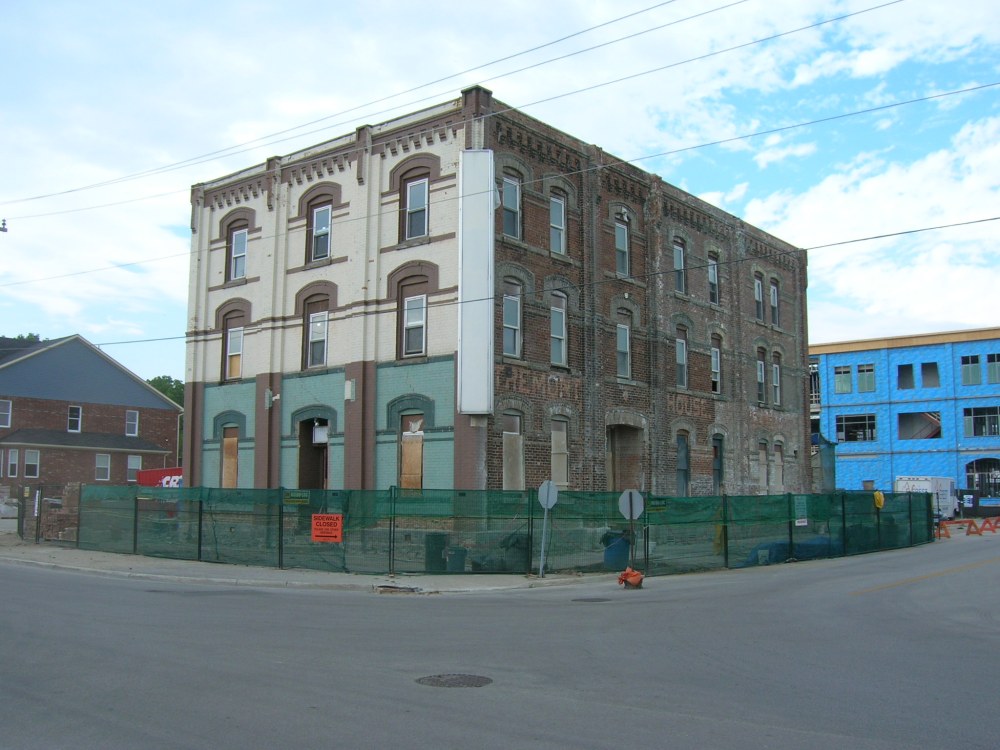
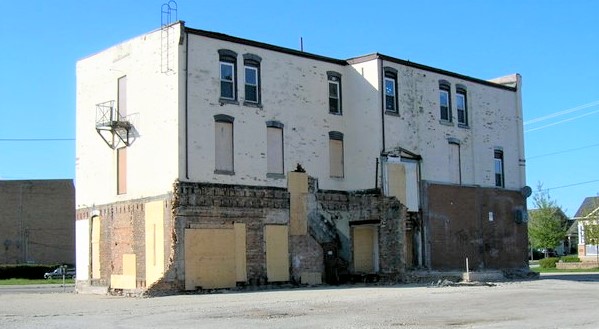
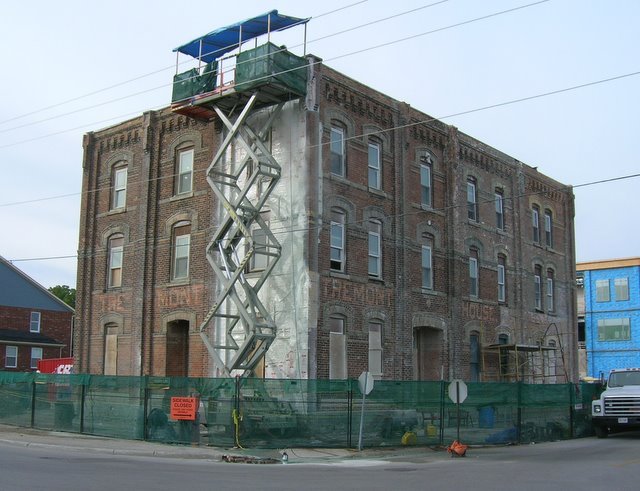
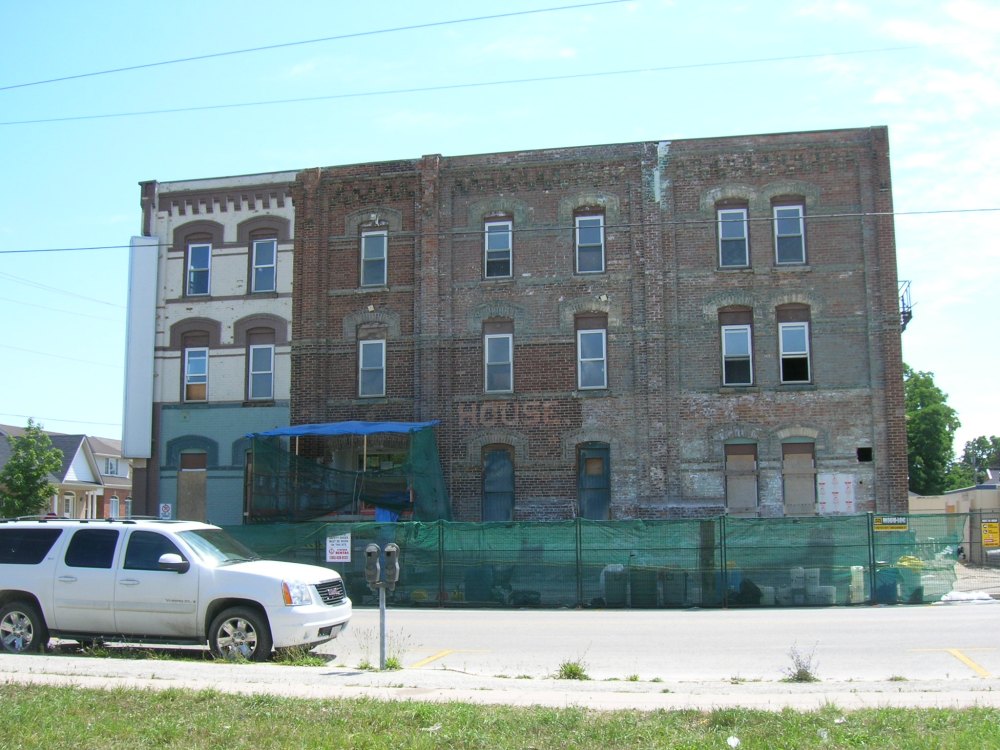
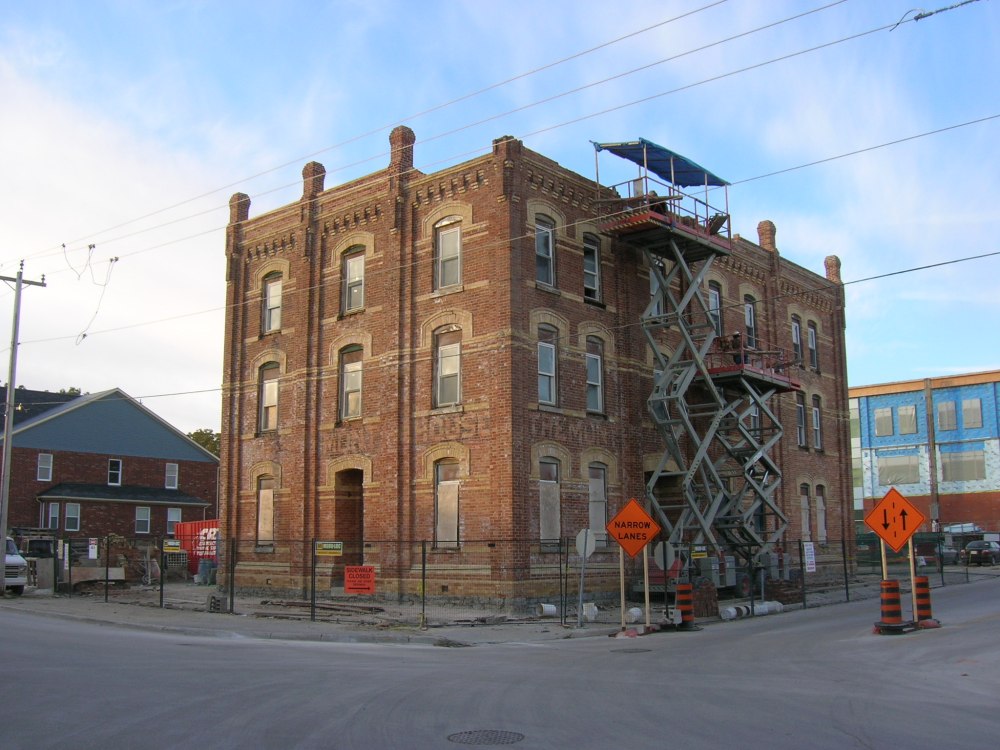
The building’s restoration began in June of 2009, at that point the building had been vacant and open to the elements for a number of years – its condition was grave, including serious structural issues. After stabilizing the south brick wall, much of the interior of the building was gutted. This removed a poor and incompatible interior renovation that took place in the 1990’s but uncovered and saved the building’s original floors and maintained the original partitions and layout of the hotel rooms on the 2nd floor and hallway layout of the 3rd floor. While most of the original trimwork was removed in the 1990’s, the remnants that remained guided local millworks in recreating the 1880’s mouldings. On the exterior, a façade of unsympathetic 1990’s brick was removed. The goal of the project was to restore the building to its original proportions, including the parapets, chimneys, windows and brickwork, and provide adaptive reuse into creative spaces. All work was completed under the Heritage Plan of the HCD and in accordance with the Standards and Guidelines for the Conservation of Historic Places in Canada.
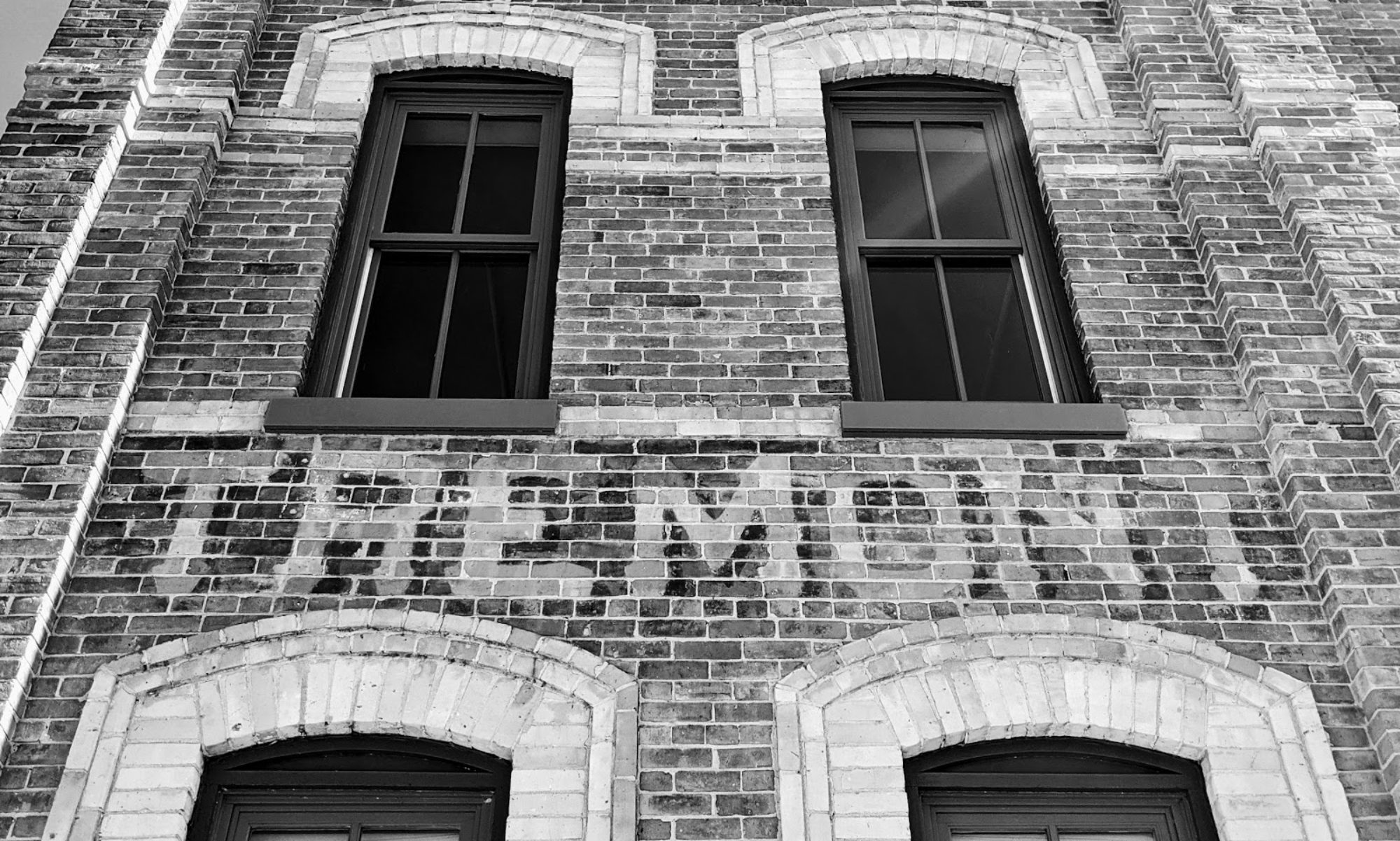
Decades of coal soot from the neighbouring train yards and harbour had stained the brick, resulting in the unfortunate decision about 25 years ago to paint the entire building. Environmentally friendly process was used to remove the paint and a gentle cleaning removed some but not all of the environmental staining, leaving some patina intact (as a result, a ghost image of the original signage is still visible).
As a result of years of neglect the chimneys and parapets had been removed. Using a photograph from the late 1920’s careful measurements were made to rebuild to the original proportions. Reclaimed clay brick was locally sourced to match the existing.
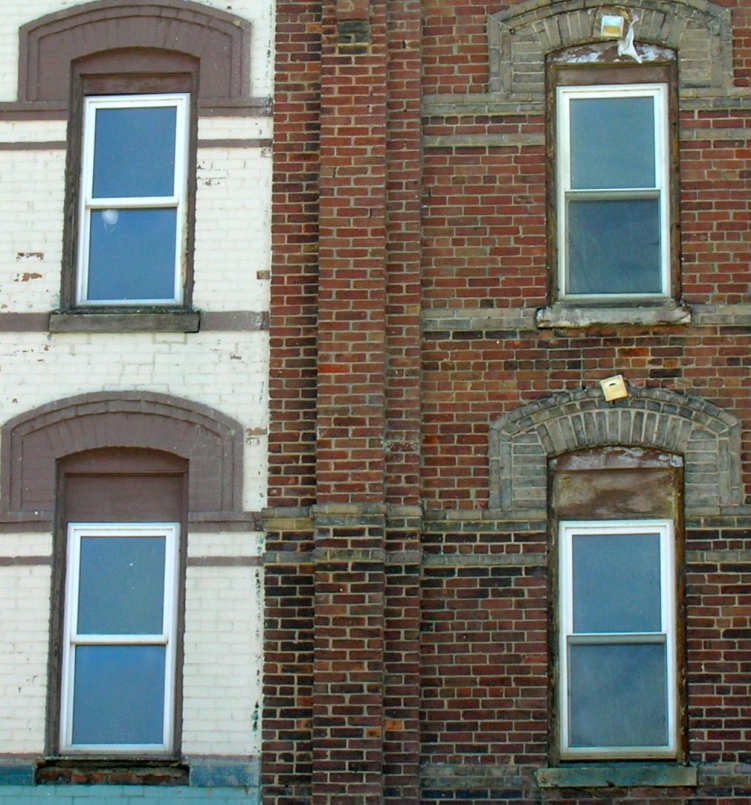
The original windows were long ago removed, having been replaced with undersized vinyl windows. New all wood windows were installed to the original design and proportions (2/2 double hung). Most of the original pine wood sills had been removed and those that remained were beyond repair. New pine sills were milled and installed in all window openings. What remained of the 1889 window frames were carefully examined as to the window’s original colour palette and are seen in the Tremont today. Solid maple front doors were custom designed to match hotel doors from the late 1800’s era.
The building now houses a café, art classes and exhibit space on the main floor. The second floor is home to Tremont Studios – nine individual artist studios in the original corridor and hotel room layout. The third floor has four residences, returning a residential element to the former hotel. The revitalized building is now part of a vibrant arts community known as Creative Simcoe Street.
Tremont marks 10th anniversary – article from Heritage Collingwood